
What Happens If Your Medication Dose Changes While Enrolled in a Patient Assistance Program?
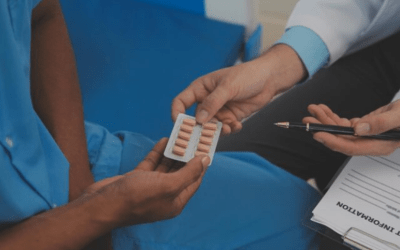
Prescription medications play a vital role in managing chronic illnesses, treating serious health conditions, and improving overall quality of life. However, the rising cost of medications can create financial challenges for many patients. For individuals who struggle to afford their prescriptions, Patient Assistance Programs (PAPs) offer valuable support by helping eligible patients access medications at reduced costs or even for free.
One of the most common questions patients ask is: What medications are commonly covered by Patient Assistance Programs? Understanding which drugs may qualify for assistance can help patients find affordable treatment options and maintain their healthcare plans without financial strain.
Patient Assistance Programs are typically sponsored by pharmaceutical manufacturers, nonprofit organizations, or healthcare foundations. Their primary goal is to help eligible patients obtain necessary medications when insurance coverage is limited or medication costs are too high.
Coverage varies by program, but many assistance programs focus on medications used to treat chronic, complex, or high cost medical conditions. These programs can significantly reduce out of pocket expenses and improve medication adherence.
Diabetes medications are among the most commonly covered drugs through Patient Assistance Programs. Since diabetes often requires long term treatment, medication costs can add up quickly.
Commonly covered diabetes medications may include:
Many pharmaceutical companies provide assistance programs specifically designed to help patients manage diabetes and maintain consistent treatment.
Cardiovascular conditions affect millions of people and often require lifelong medication management. Patient Assistance Programs frequently cover medications used to treat:
These medications help reduce the risk of heart attacks, strokes, and other serious cardiovascular complications. Assistance programs can make these treatments more affordable for eligible patients.
Cancer treatment is often associated with some of the highest medication costs in healthcare. Many Patient Assistance Programs focus on helping patients access expensive cancer therapies.
Covered medications may include:
Because cancer medications can cost thousands of dollars each month, financial assistance programs play a critical role in helping patients continue treatment without interruption.
Autoimmune conditions such as rheumatoid arthritis, psoriasis, Crohn’s disease, and ulcerative colitis frequently require specialized medications.
Patient Assistance Programs commonly cover:
These medications can be highly effective but often come with significant costs, making assistance programs particularly valuable for patients living with chronic autoimmune disorders.
Individuals with asthma, chronic obstructive pulmonary disease (COPD), and other respiratory conditions often rely on daily medications to manage symptoms and prevent complications.
Commonly covered medications include:
Access to affordable respiratory medications can help patients maintain better lung function and reduce emergency room visits.
Mental health treatment is an essential component of overall wellness, and many Patient Assistance Programs help patients obtain medications used for psychiatric conditions.
Covered medications may include treatments for:
Consistent access to these medications can improve treatment outcomes and support mental health management.
Patients living with HIV or hepatitis often require ongoing medication therapy to manage their conditions effectively.
Patient Assistance Programs may cover:
Access to affordable treatment helps patients maintain better health outcomes and supports long term disease management.
Many high cost specialty medications are included in Patient Assistance Programs. These drugs are often prescribed for rare, complex, or chronic conditions and may require special handling or monitoring.
Specialty medications may be used for:
Because specialty medications can be extremely expensive, assistance programs often provide substantial financial relief.
Not every medication is covered by every Patient Assistance Program. Coverage depends on several factors, including:
Many programs are sponsored directly by drug manufacturers and generally cover medications produced by that company.
Some assistance programs focus on specific diseases or treatment categories.
Eligibility often depends on factors such as:
Each program has unique rules regarding covered medications, application requirements, and renewal processes.
If you are struggling with prescription costs, there are several ways to determine whether your medication qualifies for assistance:
A healthcare professional or patient advocate can often help identify programs that match your medication and financial situation.
Patient Assistance Programs offer several important advantages:
For many patients, these programs make the difference between receiving essential treatment and going without necessary medications.
Patient Assistance Programs commonly cover medications used to treat diabetes, heart disease, cancer, autoimmune disorders, respiratory conditions, mental health disorders, multiple sclerosis, HIV, hepatitis, and many other chronic or high cost medical conditions. While coverage varies between programs, millions of patients have benefited from financial assistance that helps make essential medications more affordable.
If prescription costs are creating financial challenges, exploring available Patient Assistance Programs may help you gain access to the medications you need while reducing your overall healthcare expenses. affordmyprescriptions is dedicated to helping patients find suitable prescription assistance solutions and access programs that can lower medication costs. Finding the right assistance program can improve treatment consistency, support better health outcomes, and provide valuable financial relief.
Need help with your Patient Assistance Program application? Check your eligibility with Afford My Prescriptions — we handle the paperwork, the doctor coordination, and the follow-up with the manufacturer.
Independent, fee-based service from $69.95/month plus a one-time $35 enrollment fee.