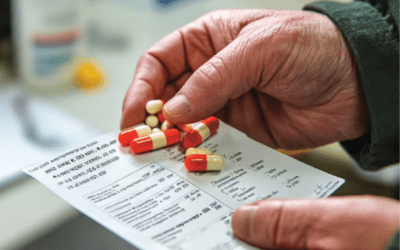
How Patient Assistance Programs Can Help You Access Brand Name Medications

The rising cost of healthcare in the United States has made prescription medications and medical treatments difficult to afford for many patients. From chronic illnesses to specialty medications, millions of people struggle with high prescription costs every year. Because of this financial burden, many patients delay treatments, skip medications, or avoid healthcare services entirely.
Patient Assistance Programs help solve this problem by providing affordable access to prescription medications and healthcare support services. These programs are designed to support uninsured, underinsured, and financially eligible individuals who need help managing treatment expenses.
This guide explains how patient assistance programs work, who qualifies, how to apply, and how patients can maximize healthcare savings while continuing essential treatments.
Patient assistance programs are designed to help eligible patients access brand name prescription medications at a reduced cost or sometimes with no medication cost through manufacturer-sponsored healthcare support programs. These programs are especially helpful for individuals who are uninsured, underinsured, or facing high out-of-pocket prescription expenses while managing ongoing medical conditions.
At Afford My Prescriptions, patients can explore assistance options for a wide range of commonly prescribed medications used for chronic health conditions, respiratory disorders, diabetes management, heart care, autoimmune diseases, and specialty treatments. Some medication assistance programs may include support for prescriptions such as Breztri Aerosphere, Calquence, Cialis, Climara Pro, Creon, and several other brand name medications available through patient support programs.
These healthcare assistance services help simplify the enrollment process by guiding patients through eligibility verification, prescription documentation, manufacturer applications, and ongoing medication support. Patient assistance programs play an important role in improving healthcare accessibility and reducing the financial burden associated with long term treatment and prescription medication costs.
Most patient assistance programs follow a simple process that helps verify eligibility and provide affordable medication support.
The process usually begins with an application submitted by the patient or healthcare provider. The assistance organization reviews financial details, insurance status, and medical necessity before approving support.
Once approved, medications may be delivered directly to the patient, pharmacy, or healthcare provider.
Eligibility requirements vary depending on the assistance provider and medication type. However, most programs consider financial status, insurance coverage, and medical necessity.
Patients who cannot afford expensive medications often qualify for healthcare assistance support.
Even patients with insurance coverage may qualify if medication expenses remain financially difficult to manage.
Prescription assistance programs provide both financial and healthcare related benefits for patients and families.
Affordable medications help patients continue treatment consistently, improving long term health outcomes and reducing stress related to medical expenses.
These programs help patients maintain essential treatments without interrupting medical care because of financial limitations.
Several types of healthcare support programs are available to help patients access affordable treatment and medications.
Different organizations offer assistance depending on the patient’s medical condition, insurance situation, and financial eligibility.
Some programs focus specifically on conditions such as cancer, diabetes, arthritis, HIV/AIDS, and cardiovascular diseases.
Applying for a patient assistance program is usually straightforward when patients prepare the required documents in advance.
Healthcare providers often help patients complete the enrollment process and submit medical documentation.
Applications may be submitted online, by mail, or through healthcare clinics and medication assistance organizations.
Patients should regularly follow up to ensure applications are processed without delays.
Patients can maximize the benefits of assistance programs by staying proactive throughout the enrollment and renewal process. Applying early, keeping financial and medical documents updated, and maintaining regular communication with healthcare providers can help prevent delays or interruptions in treatment. Staying informed about available medication assistance options also improves access to continuous and affordable healthcare support.
Patient assistance programs also provide important benefits for healthcare providers and employers.
When patients can afford medications, treatment adherence improves and overall healthcare outcomes become better.
Affordable healthcare access supports healthier communities and improves overall healthcare stability.
Although medication affordability is the primary goal, patient assistance programs also improve emotional well being and healthcare confidence.
Patients who receive consistent treatment often experience improved physical and mental health.
These programs help patients focus on recovery and wellness rather than financial stress.
Patient assistance programs help individuals access affordable medications and essential healthcare services across the United States. These programs reduce financial stress, improve healthcare access, and support patients managing chronic medical conditions. Whether uninsured, underinsured, or facing high prescription costs, patients can explore assistance options to receive the healthcare support they need at lower expenses. Get expert guidance for prescription assistance programs and discover affordable medication support today.