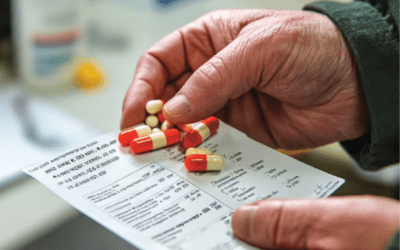
How Patient Assistance Programs Can Help You Access Brand Name Medications

As people age, prescription medications often become an essential part of managing chronic conditions such as diabetes, heart disease, arthritis, and osteoporosis. However, rising medication costs can make treatment difficult to afford, even for seniors with Medicare or other health insurance.
Patient Assistance Programs (PAPs) help eligible seniors access brand name prescription medications at reduced or no cost. These programs ease the financial burden of prescription expenses, making it easier for older adults to continue their treatment and maintain better overall health.
Patient Assistance Programs are financial assistance programs offered primarily by pharmaceutical manufacturers to help eligible patients obtain prescription medications they may otherwise struggle to afford.
Rather than replacing health insurance, these programs work alongside existing coverage or help individuals who do not have adequate prescription benefits. Their primary goal is to ensure patients can continue receiving medically necessary medications without financial hardship.
Each assistance program has its own eligibility requirements, application process, and list of covered medications.
Healthcare needs generally increase with age. Many seniors manage multiple chronic conditions at the same time, requiring several medications each month. While these prescriptions help control illnesses and improve overall health, they can also become expensive.
Several factors contribute to high medication costs for seniors, including:
When medication costs become overwhelming, Patient Assistance Programs provide an opportunity to reduce financial stress while maintaining consistent treatment.
Patient Assistance Programs are designed for individuals who meet certain financial and medical requirements. Many seniors may qualify if they have limited income or continue to experience high prescription costs despite having insurance.
These programs may benefit seniors who:
Eligibility varies depending on the pharmaceutical manufacturer and the specific medication involved.
The process is generally simple and begins after a healthcare provider prescribes a qualifying medication.
Once eligibility is confirmed, the patient completes an application with supporting documents. In most cases, the prescribing physician also completes part of the application to verify the medical need for the medication.
If approved, eligible patients may receive their medication directly from the manufacturer, through their physician’s office, or through an approved pharmacy, depending on the program.
Many programs require periodic renewal to confirm continued eligibility.
Although every Patient Assistance Program has its own rules, most evaluate applicants based on several common factors.
Household Income
Income is one of the primary eligibility requirements. Many programs use income guidelines based on the Federal Poverty Level, although each manufacturer sets its own limits.
Insurance Coverage
Programs may accept seniors who are uninsured, underinsured, or enrolled in Medicare. Some manufacturers also provide assistance to individuals who continue to have significant medication expenses despite having prescription coverage.
Residency Status
Applicants are generally required to be legal residents or citizens of the country where the assistance program is offered.
Valid Prescription
A licensed healthcare provider must prescribe the medication before assistance can be approved.
Patient Assistance Programs commonly focus on brand name prescription medications that are often expensive or used for long term treatment.
Coverage may include medications for:
Not every medication qualifies, and available medications differ from one manufacturer to another.
One of the biggest advantages of these programs is reducing the financial burden associated with prescription medications. However, the benefits extend far beyond lower costs.
Improved Medication Adherence
When medications become affordable, seniors are more likely to take them exactly as prescribed. This helps improve treatment effectiveness and reduces the risk of complications.
Better Health Outcomes
Consistent access to medication allows chronic conditions to remain under control, reducing emergency visits, hospitalizations, and disease progression.
Financial Relief
Many older adults rely on retirement income or fixed monthly budgets. Lower prescription costs free up money for groceries, housing, transportation, and other essential expenses.
Access to Specialty Medications
Certain treatments cost hundreds or even thousands of dollars each month. Patient Assistance Programs can make these medications available to eligible patients who would otherwise be unable to afford them.
Greater Peace of Mind
Knowing that medications are accessible and affordable allows seniors to focus on maintaining their health rather than worrying about prescription costs.
Before applying, seniors should gather the documents commonly requested by assistance programs. Having complete and accurate information helps avoid unnecessary delays.
These documents often include proof of income, identification, insurance information, prescription details, and documentation completed by the prescribing healthcare provider.
Requirements may differ depending on the specific manufacturer and assistance program.
Applying for Patient Assistance Programs is usually straightforward, but careful preparation can improve the chances of approval.
Review all eligibility requirements before submitting an application. Ensure every section is completed accurately and include all requested documents. Work closely with your healthcare provider so medical information is submitted correctly and on time.
If your financial situation changes, update your information whenever required. Many programs also require annual renewal, so keeping track of renewal dates is important for uninterrupted medication access.
Yes, many seniors enrolled in Medicare may still qualify for Patient Assistance Programs. Having Medicare does not automatically eliminate high prescription costs. Depending on the medication and insurance plan, beneficiaries may still experience significant out of pocket expenses.
Many pharmaceutical manufacturers offer assistance specifically for Medicare patients who meet their financial eligibility guidelines. Since every program has different rules, seniors should carefully review individual eligibility requirements before applying.
Prescription medications are often essential for maintaining independence and managing chronic illnesses during retirement. Unfortunately, financial barriers sometimes force older adults to make difficult decisions between paying for medications and covering everyday living expenses.
Patient Assistance Programs help remove these barriers by making important medications more affordable. They allow seniors to continue treatment without compromising their financial stability, ultimately supporting healthier and more active lives.
Managing prescription costs is a common concern for many older adults, but financial assistance may be available. Patient Assistance Programs provide valuable support by helping eligible seniors access brand name medications at reduced or no cost.
If you or a loved one is struggling with high medication expenses, exploring available Patient Assistance Programs could make treatment more affordable and improve long term health. Speaking with your healthcare provider or reviewing available assistance options is often the first step toward finding the support needed to continue essential care.
Need help finding the right prescription assistance program? Contact us today to learn more about your options and get personalized guidance in accessing affordable medications. Our team is here to help you every step of the way.