How Patient Assistance Programs Can Help You Access Brand Name Medications

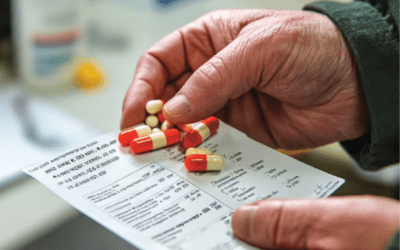
Healthcare costs in the United States continue to rise, and prescription medications are becoming increasingly expensive for many patients. Whether someone is managing diabetes, heart disease, cancer, or another chronic condition, medication expenses can create serious financial pressure. This is why many Americans rely on pharmaceutical patient assistance programs to make essential treatments more affordable.
These assistance programs are designed to help uninsured, underinsured, and low-income patients reduce their prescription drug costs. Many healthcare organizations, pharmaceutical companies, and government supported initiatives now offer financial support to improve medication accessibility across the USA.
Patient assistance programs are healthcare support services that help eligible individuals afford prescription medications. These programs are commonly provided by pharmaceutical manufacturers, nonprofit organizations, and healthcare agencies in the United States.
The main purpose of these programs is to ensure patients continue receiving important medications without financial hardship. Depending on eligibility requirements, patients may receive:
Many patients use a prescription assistance program to reduce monthly healthcare expenses and continue necessary treatments consistently.
Medication prices in the USA are among the highest globally. Several factors contribute to increasing healthcare and prescription expenses, including:
As treatment costs continue to rise, many patients struggle to afford regular prescriptions. Patient assistance programs help reduce this financial burden and improve access to healthcare services.
One of the biggest reasons patients search for medication assistance is the large cost difference between standard prescription prices and discounted assistance program rates.
For example:
With assistance programs, eligible patients may receive medications at significantly lower costs or sometimes free of charge. This makes long-term treatment more affordable and reduces financial stress for families.
Patient assistance programs help reduce direct medication expenses by offering discounted prescriptions or free medications for qualifying individuals.
This financial support allows patients to continue treatments without affecting their monthly budgets.
Certain medical conditions require advanced brand name medicines that may not have affordable generic alternatives.
Pharmaceutical patient assistance programs help patients access these medications at reduced prices.
This improves treatment continuity and healthcare outcomes.
Many insured patients still struggle with high co-payment costs for specialty medications. Assistance programs help lower these co-pays, making treatments more manageable.
Patients with chronic illnesses often require ongoing medications for years. Assistance programs help reduce recurring healthcare costs and provide better long-term financial stability.
When prescriptions become affordable, patients are more likely to follow treatment plans consistently. Regular medication use helps improve health outcomes and reduce complications.
Many pharmaceutical manufacturers offer direct patient support programs for their medications. Eligible patients may qualify for free or discounted prescriptions.
Several US states provide state pharmaceutical assistance programs that help residents afford prescription medications. These programs are especially beneficial for seniors, low income households, and patients with ongoing medical needs.
Program eligibility and benefits vary by state, but they all aim to improve healthcare affordability.
Nonprofit organizations also provide financial support for medications, chronic disease treatment, and specialty healthcare services.
Co-pay assistance programs help insured patients manage high out-of-pocket prescription costs for expensive treatments.
These programs help a wide range of individuals throughout the United States, including:
Financial assistance allows these patients to maintain important treatments without major healthcare stress.
Patients should identify programs that support their prescribed medications. Healthcare providers and pharmacies often help patients locate suitable options.
Applications commonly require:
Carefully completing the application helps avoid processing delays and improves approval speed.
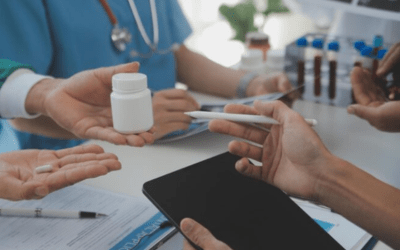
Doctors and pharmacists can assist patients with eligibility requirements and medication assistance applications.
Regular follow up helps ensure faster approval and uninterrupted access to prescription medications.
Affordable medications allow patients to continue important treatments without interruption.
Lower prescription costs help reduce healthcare related financial pressure for patients and families.
Consistent access to medications supports better disease management and overall health improvement.
Long term affordability helps patients effectively manage ongoing medical conditions.
Patients can reduce healthcare expenses further by:
Combining these strategies with state pharmaceutical assistance programs can significantly lower prescription medication expenses.
Prescription medication costs remain a major healthcare concern in the United States, but patient assistance programs continue to provide valuable financial relief for many individuals and families. These programs help patients access affordable medications, continue important treatments, and reduce the burden of rising healthcare expenses.
At Afford My Prescriptions, patients can explore trusted prescription assistance solutions that help improve access to essential medications and support long-term healthcare needs across the USA.